
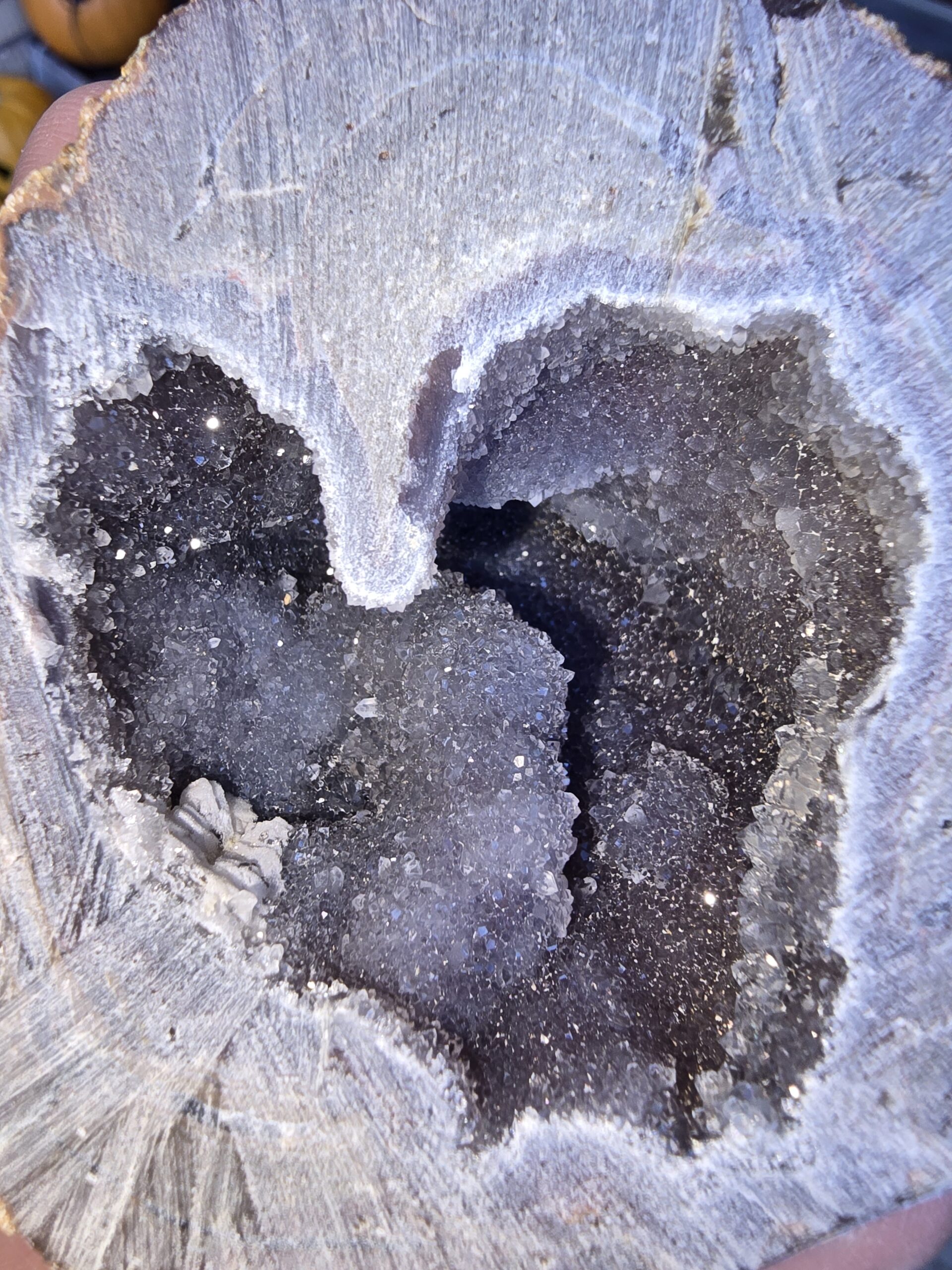
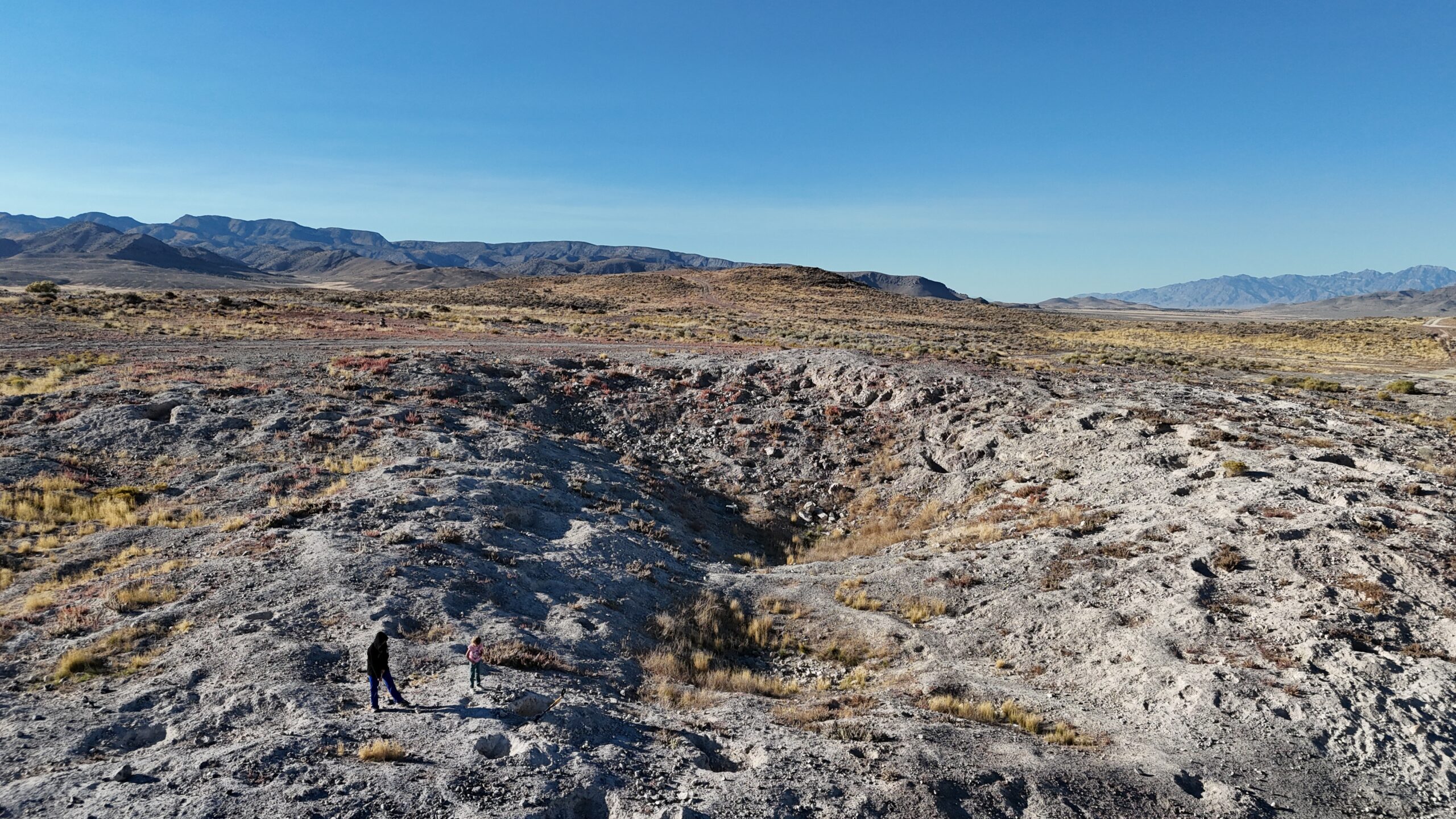

The Dugway Geode Beds, located in Utah’s West Desert, are a renowned destination for rockhounds and geology enthusiasts. These beds are famous for their unique geodes—hollow rocks filled with sparkling quartz crystals or colorful mineral formations. Formed millions of years ago through volcanic activity, the geodes are typically found in rhyolite, a type of volcanic rock. Visitors can dig for their own geodes in designated areas, making it a popular spot for hands-on exploration. The site offers a stunning desert landscape, adding to the appeal of this natural treasure trove
1. Start on I-15 heading south (if coming from Salt Lake City) or north (if coming from St. George) to Exit 228 for Nephi/Main Street.
2. Turn west onto UT-132 W/Main Street and continue for approximately 33 miles to the town of Delta, Utah.
3. In Delta, turn west onto US-6/US-50 and follow for about 17 miles.
4. Turn north on Utah Highway 174 (also known as Lone Tree Road) and follow it for 40 miles.
5. Turn left (west) onto Dugway Geode Bed Road (a dirt road marked with signs for the geode beds).
6. Follow the dirt road for approximately 8 miles to reach the Dugway Geode Beds.
Important Notes:
• The last stretch of the journey is on dirt roads, which may require a high-clearance vehicle, especially after rain.
• The Dugway Geode Beds are located in a remote desert area with no services nearby, so be sure to bring:
• Water, food, and fuel.
• Rock hammer, chisel, gloves, and safety glasses for extracting geodes.
• Cell service is limited, so download maps and directions ahead of time.
• Digging in designated areas is encouraged, and the best geodes are often found by breaking open larger rocks.
The Dugway Geode Beds are a popular rockhounding destination in Utah’s western desert, known for their abundance of geodes filled with sparkling quartz crystals, amethyst, and other mineral formations. Collectors can unearth these spherical volcanic rocks by digging in designated areas or searching through exposed surfaces.
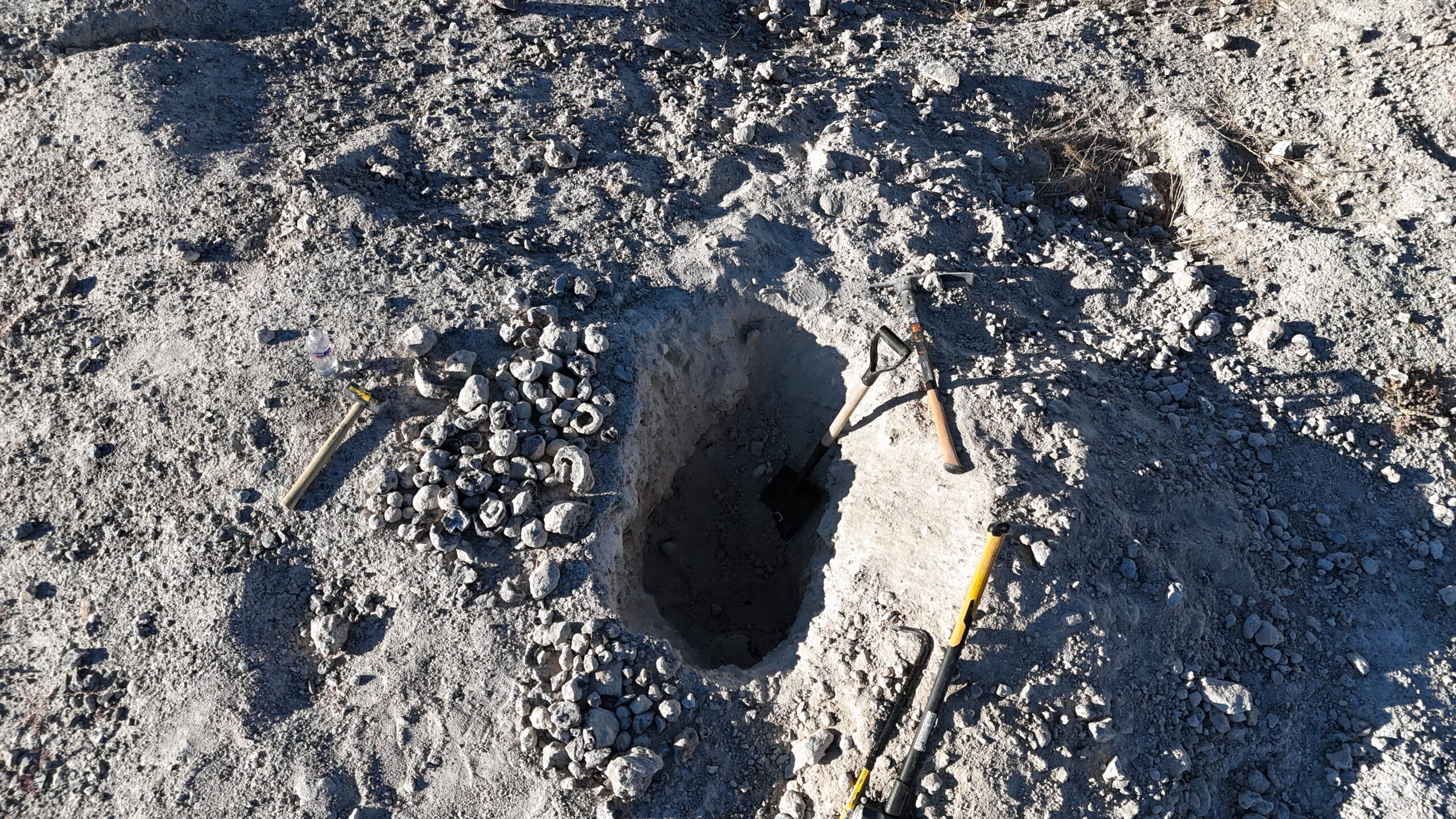
Geodes are often found in hardened clay or loose gravel, and the best specimens are typically unearthed a few feet below the surface. Tools such as shovels, picks, and chisels are recommended for digging, while a hammer and protective eyewear are essential for safely cracking geodes open.
Visitors should be prepared for remote desert conditions with limited shade and no nearby services. With patience and persistence, collectors can uncover stunning crystal-lined geodes, making the Dugway Geode Beds a rewarding adventure for geology enthusiasts.
 Own or work here?
Claim Now!
Claim Now!
Own or work here?
Claim Now!
Claim Now!
 Your request has been submitted successfully.